

Scene
Exploring Poetic Forms: The Rondeau

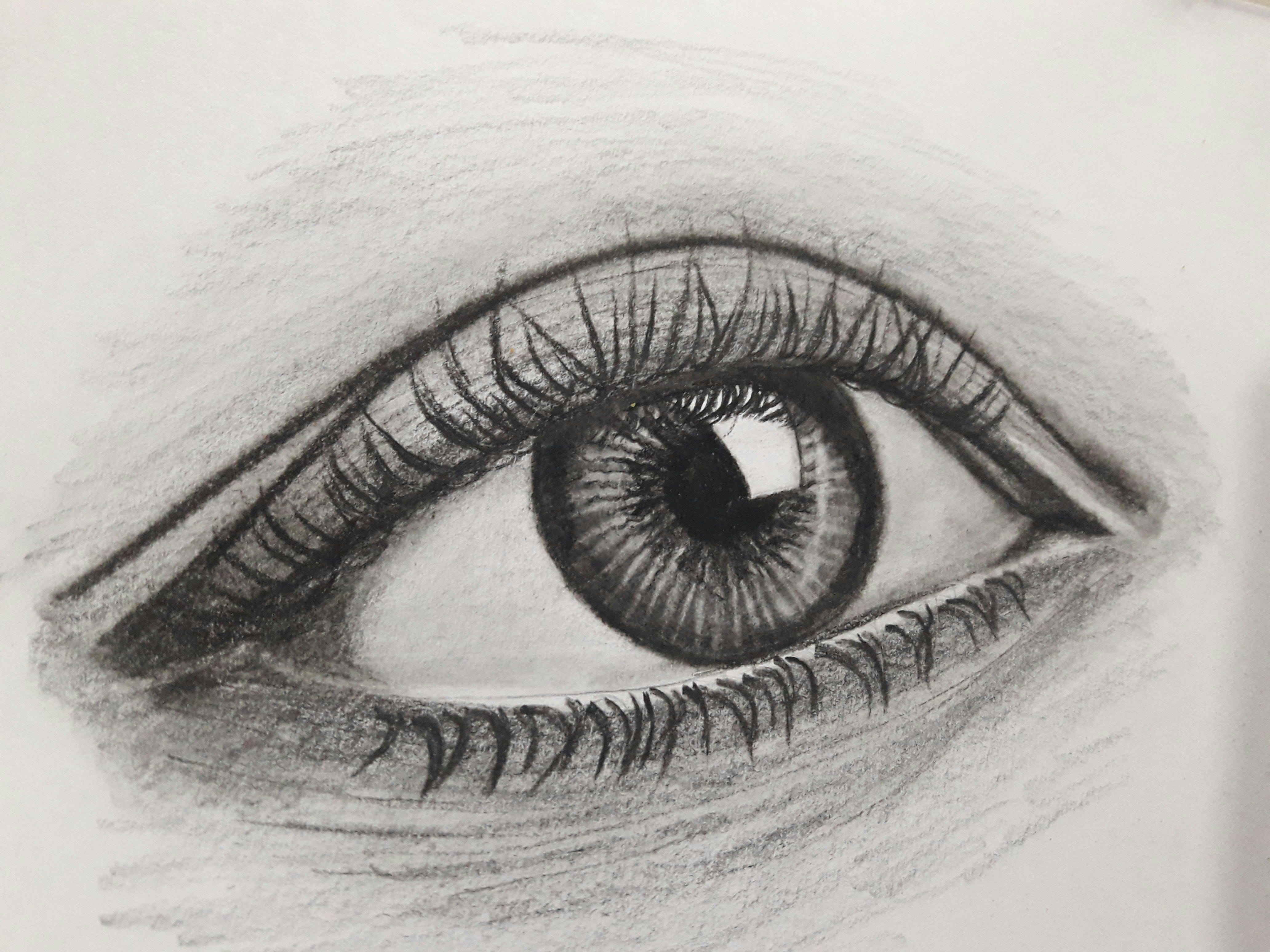
Photo by DHANYA A V on Unsplash
“The rondeau started as a song form with the French troubadours in the 12th and 13th centuries, eventually becoming popularised as a literary form by poet and composer Guillame de Machaut in the 14th century. Used in modern–day English, the rondeau is a poem of 15 lines of eight or ten syllables arranged in three stanzas—the first stanza is five lines (quintet), the second is four lines (quatrain), and the final stanza is six lines (sestet). The first half of the first line becomes the rondeau’s rentrement, or refrain, when it is repeated as the last line of each of the two succeeding stanzas. Only two other rhymes are used in the whole poem. The entire scheme looks like this (with “R” used to indicate the rentrement):
AABBA AABR AABBAR”
Tania Runyan, How To Write A Form Poem
Scene
Do you see me needing presence?
Do you want me to pay penance?
Does it vex you to placate me?
Does it suit you if I’m unfree?
Is your apathy my sentence?
Are you keen to exact vengeance?
Do you orchestrate my conscience?
Will forgetting make my shame flee?
Do you see me?
Am I just some mutual essence?
Am I slave to adolescence?
Have I closed my heart to beauty?
Am I trapped by sense of duty?
Is there warmth to my fluorescence?
Do you see me?
What did you think of this poem? I would love to hear from you! Please feel free to leave a comment below:
Thank you for reading Idle and Blessed Poetry. The poems here are always free to read but the option of a paid subscription is available to you if you would like to show your support.
If a paid subscription is unrealistic, would you consider buying me a coffee to help keep me caffeinated and writing?
I am deeply grateful to all who choose to spend some of their precious time here. Your presence is a gift. Thank you.
This poem was generated by the author’s human mind with zero AI / LLM involvement.
If you enjoyed reading this, you might also enjoy reading another rondeau poem of mine:
